Guide
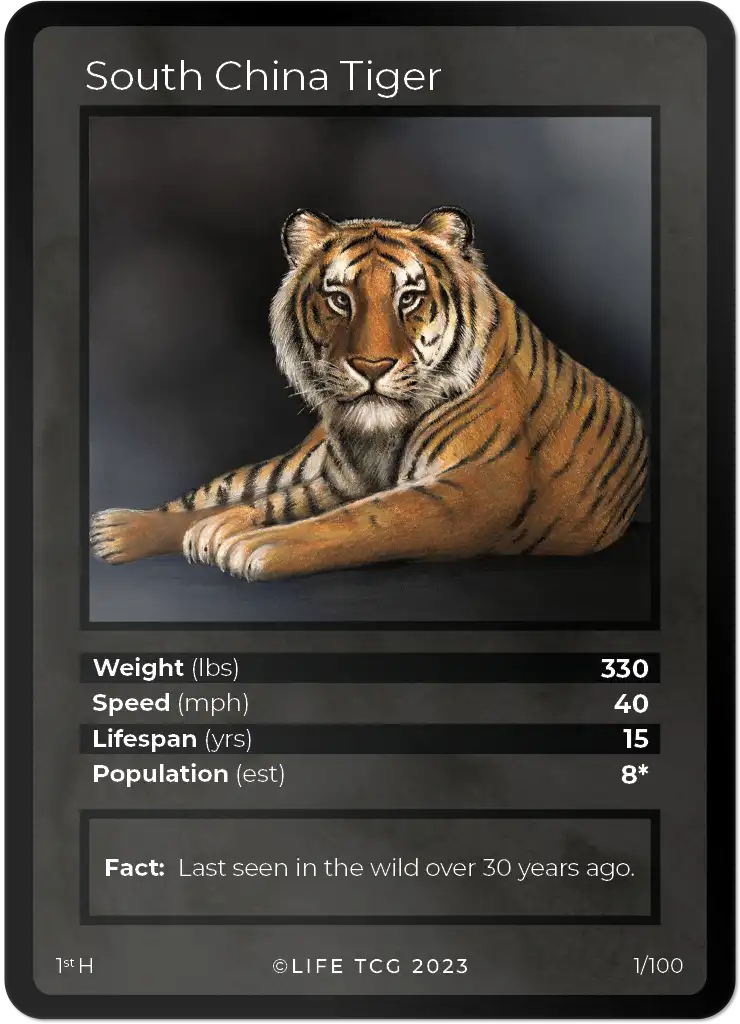
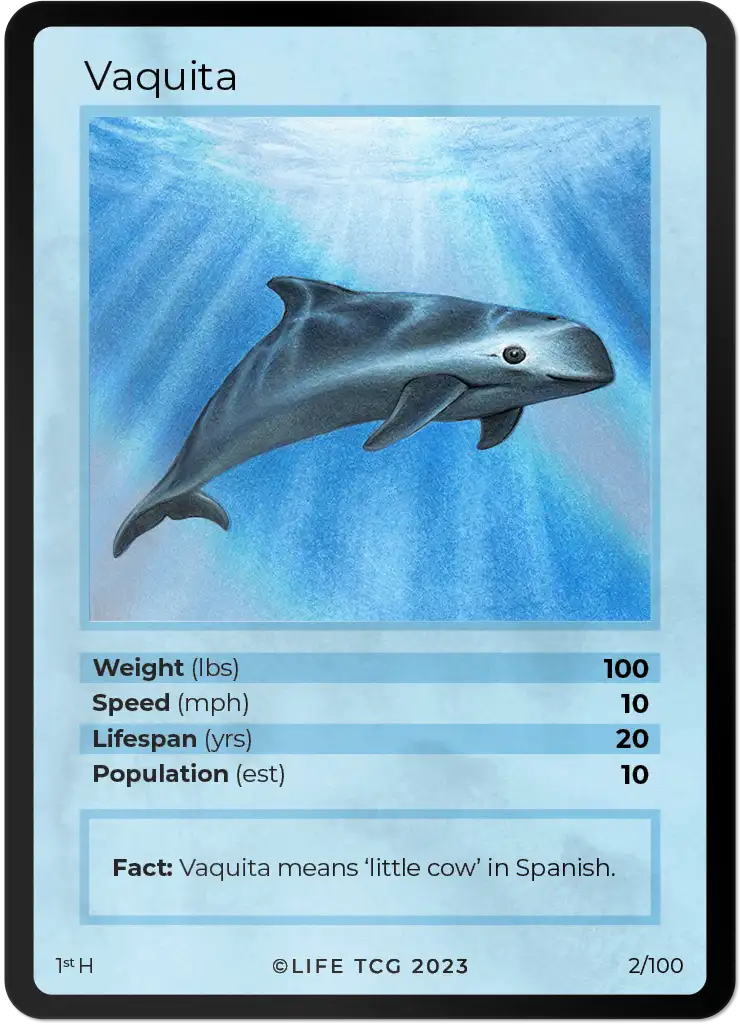
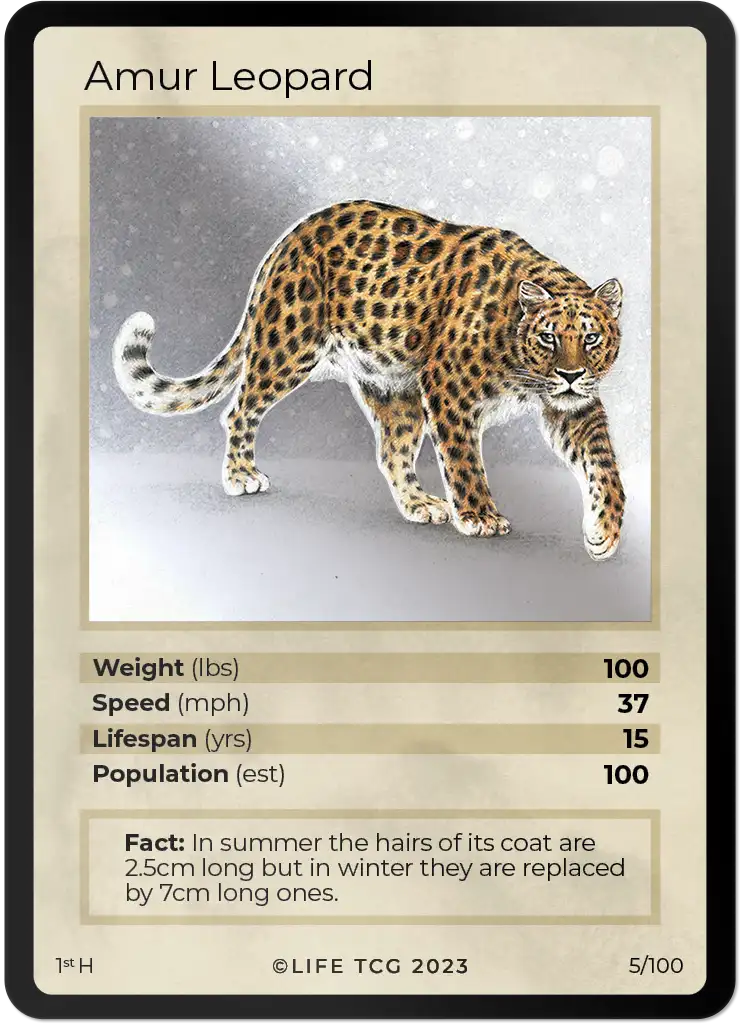
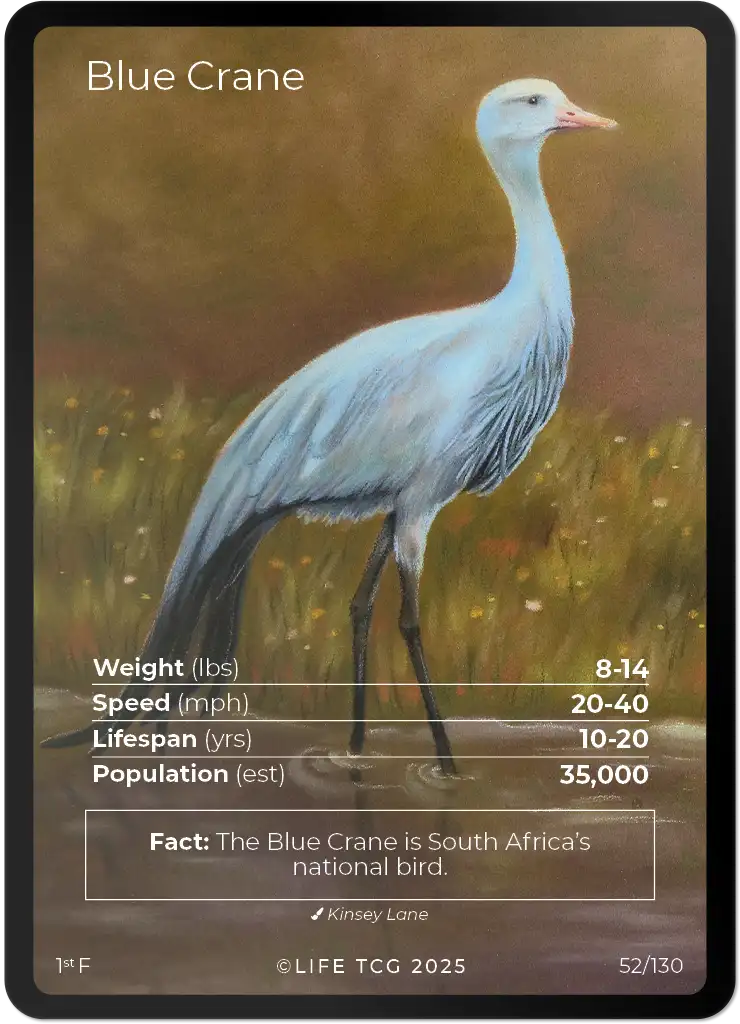
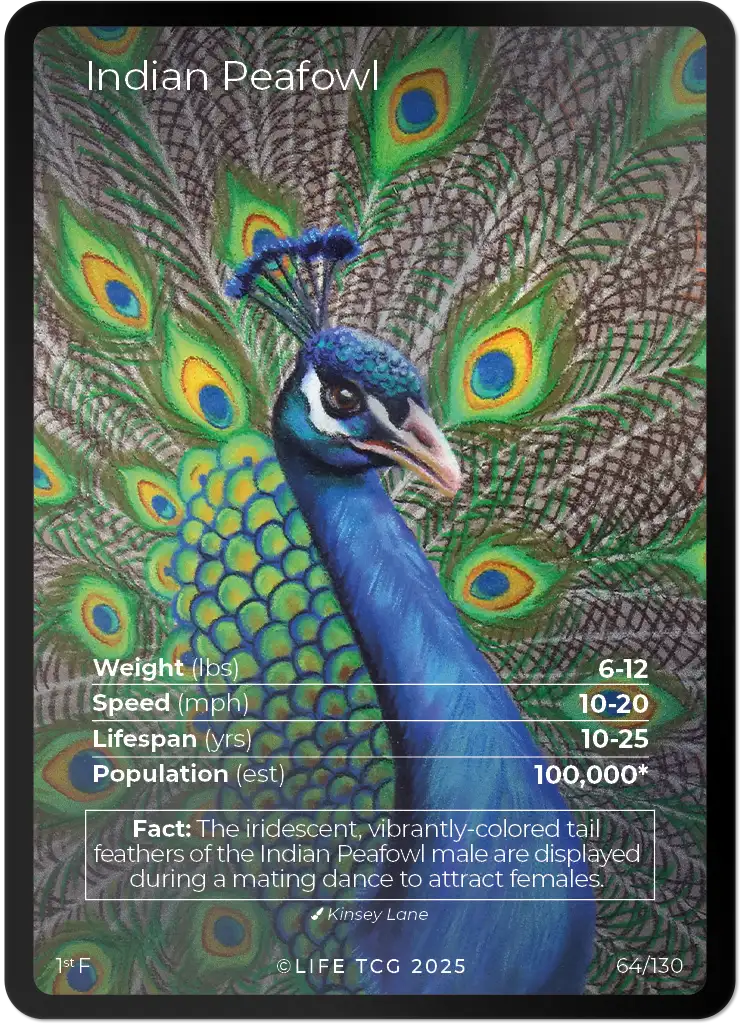
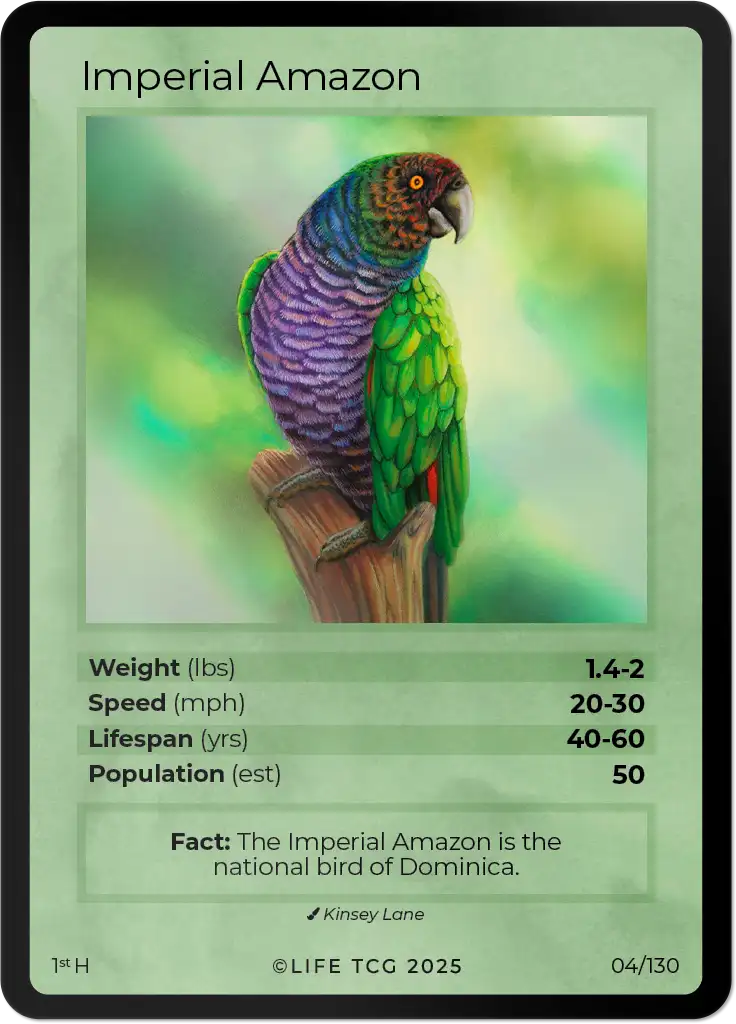
LIFE TCG has one of the best ideas in modern collecting: each 1st Edition Holographic card is printed in exactly the same quantity as the estimated wild population of the animal on it, capped at 30,000. A card of a critically endangered species is genuinely scarce because the species is, and the rarity means something before anyone trades it. It started as a Kickstarter project, found a community that backed the idea, and has been growing steadily since, from the original Mammals set through Birds and beyond. This guide covers every set, how the rarity works, and how to track it.
821 cards across 5 sets, catalogued and ready to track.
This is the mechanic that sets LIFE apart. The 1st Edition Holographic run for each animal matches the estimated number of that animal left in the wild, up to a ceiling of 30,000. The rarest cards in the game are the rarest animals on the planet, which turns a checklist into something closer to a record. LIFE also states it will not produce an unlimited set: each set gets a 1st Edition run of 5,000 and a Special Edition run of 20,000, and that is it.
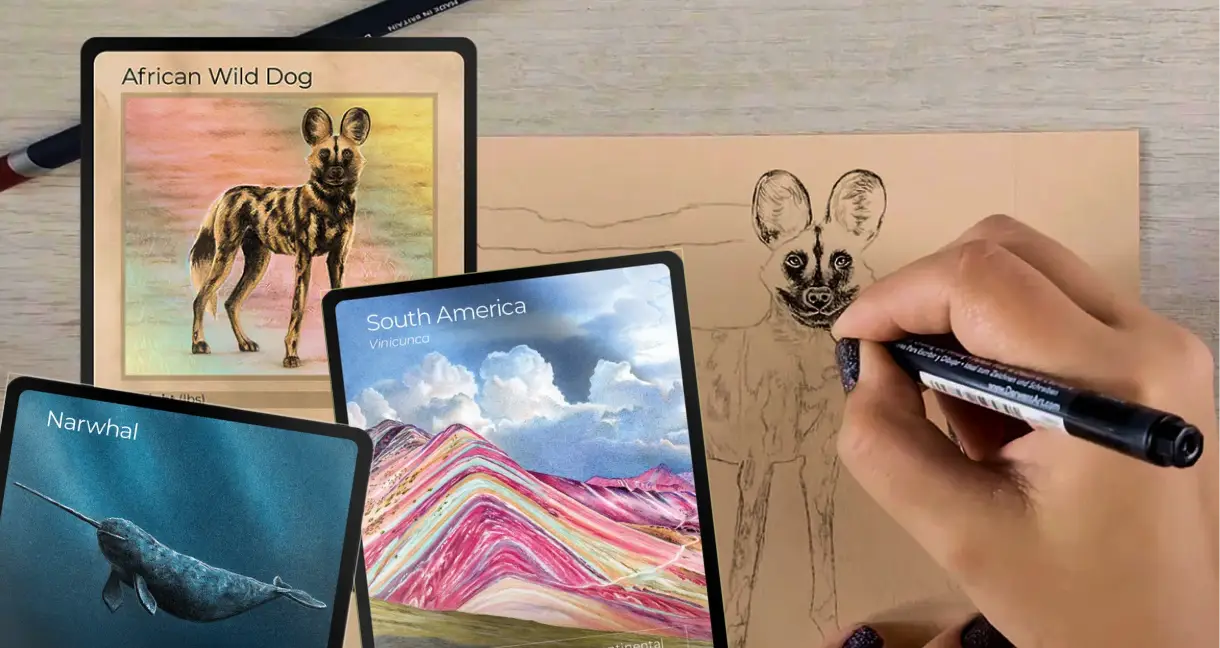
The Continent cycle arrived later, with the Special Edition, and it is the headline chase: seven cards, one per continent, that also drive the Continental Balance gameplay mechanic. Each continent has a holographic one of one somewhere in the wild, so seven people will ever own them. One is already accounted for, with the Asia one of one pulled and reported, which leaves six still out there. The continents also exist as non-holo cards, because the mechanic needs them to be playable rather than locked away. See the Mammals Special Edition card list.
The line started with Mammals on Kickstarter, moved into a 1st Edition Mammals set, then the Special Edition, and has since expanded into Birds. Photography Cards run differently from the rest: it is an ongoing set with a new card added every month, so it never really closes. LIFE has said reptiles, fish and invertebrates are planned, along with more mammals, so the checklist is going to keep growing. Every set is catalogued here with its artwork and card types.
| Set | What it is |
|---|---|
| Mammals (Kickstarter) | The original backer set |
| Mammals (1st Edition) | The 5,000-run first edition |
| Mammals (Special Edition) | The 20,000-run SE, with the Continents |
| Birds (1st Edition) | The second animal class |
| Photography Cards | An ongoing set, with a new card each month |
The Special Edition Mammals set spans seven card types: 1st Edition Holographic, SE Holo, Promo Set Holo, SE Extended, SE Rare, SE Uncommon and SE Common. On top of those, each box configuration has its own holo chase card, which is worth knowing before you decide what to buy. The Booster Box hides the Holo Javan Rhino, the Starter Box the Holo Spirit Bear, and the Mini Box the Holo Siberian Tiger.
| Item | Quantity |
|---|---|
| Total card production | 10 million |
| Holos | 700,000 |
| SE Rares | 980,000 |
| SE Extended Arts | 980,000 |
| SE Booster Boxes | 20,000 |
| SE Starter Boxes | 20,000 |
| SE Mini Boxes | 20,000 |
Every LIFE TCG set is catalogued with artwork and every card type, including the Kickstarter set, so backers can track those exclusives properly rather than from memory. Mark what you own, watch set completion climb, keep a want list for the cards you are still after, and use a trade list for spares. Because the card types are separate entries, owning the SE Rare does not tick off the 1st Edition Holographic, and completion counts what you actually hold.
HoloHoard estimates a daily value for cards with enough market activity behind them and totals your collection from those, holding each card type separately. Coverage for a younger line is thinner than for a decades-old one, so plenty of cards show as not valued yet rather than carrying an invented figure. That is the honest position, and it improves as the market fills in. See LIFE TCG card values.
LIFE TCG is officially partnered with WWF-UK, donating £1 for every Booster Box sold, 50p per Starter Box and 25p per Mini Box, with a committed minimum of £30,000 between October 2024 and October 2027. The framing behind the whole line is a statistic they put front and centre: of all the mammals on Earth, 60 percent are livestock, 36 percent are human, and only 4 percent are wild. It is a card game that wants you to notice that.
Start your collection, free
No account needed to browse. Create one to track and value your cards.