Guide
UniVersus is a collectible card game from UVS Games where characters from different anime, video game and pop culture franchises fight head to head. Its best trick is that every set is cross-compatible, so a Cowboy Bebop deck can run cards from My Hero Academia, Critical Role and Tekken alongside each other, and the licence list runs from Godzilla and Teenage Mutant Ninja Turtles to Street Fighter and Mortal Kombat. For collectors that means the run is unusually deep and unusually varied: two decades of sets, each with its own licence and its own chases. This guide covers how the line is built, what is worth chasing, and how to keep a collection of it current.
8,206 cards across 59 sets, catalogued and ready to track.
The game started in 2006 as the Universal Fighting System, published by Sabertooth Games and later by Jasco Games, which rebranded to UVS Games and renamed the game UniVersus in 2020. UFS cards and UniVersus cards are the same game, which is why a collection here spans far more sets than the current branding suggests. Nearly sixty sets are catalogued, from the UFS years through the newest releases, and because they interlock, cards from wildly different franchises end up in the same deck and the same binder.
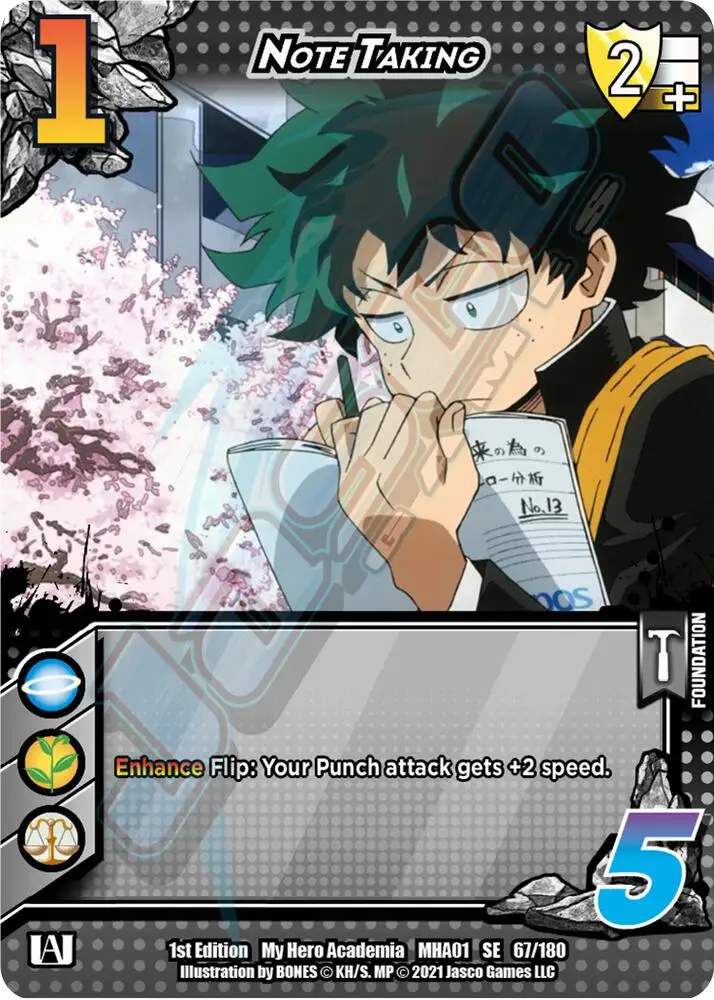
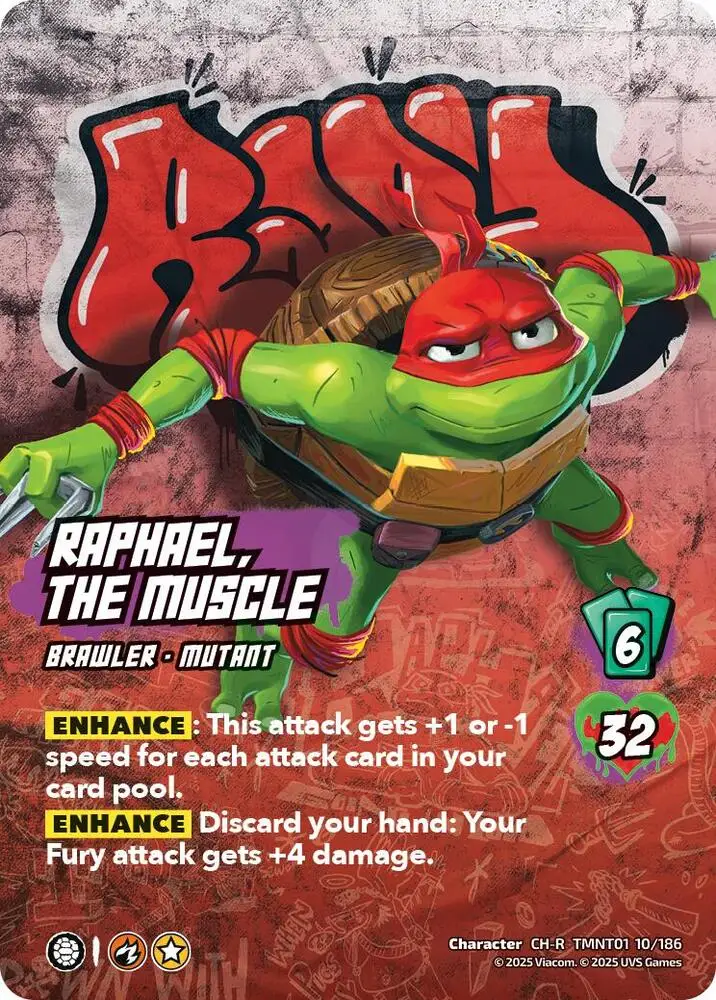
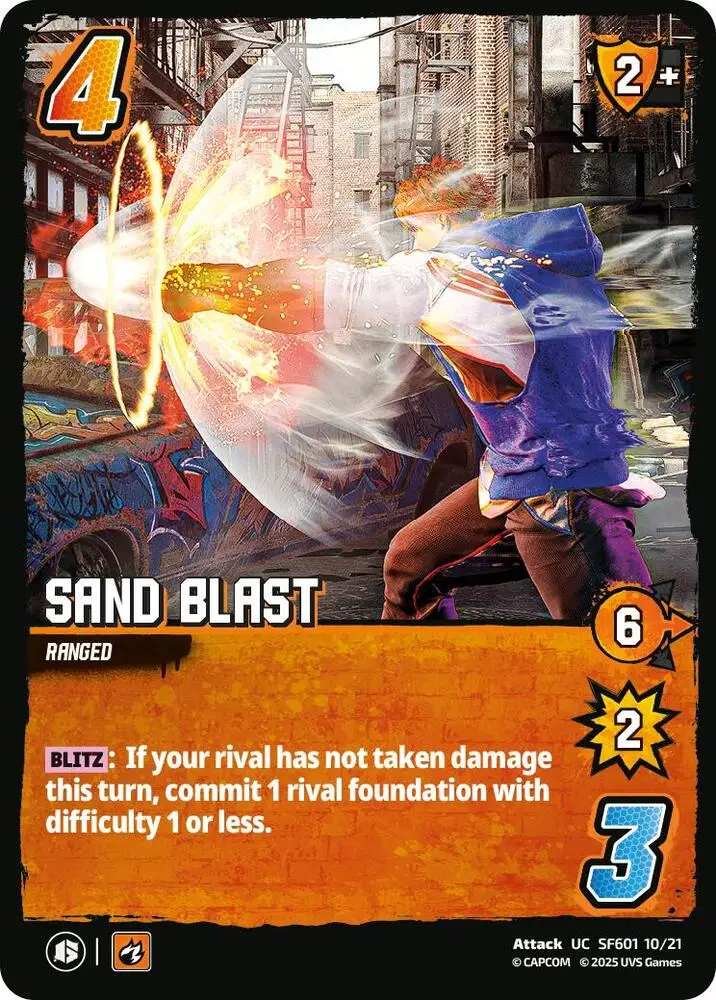
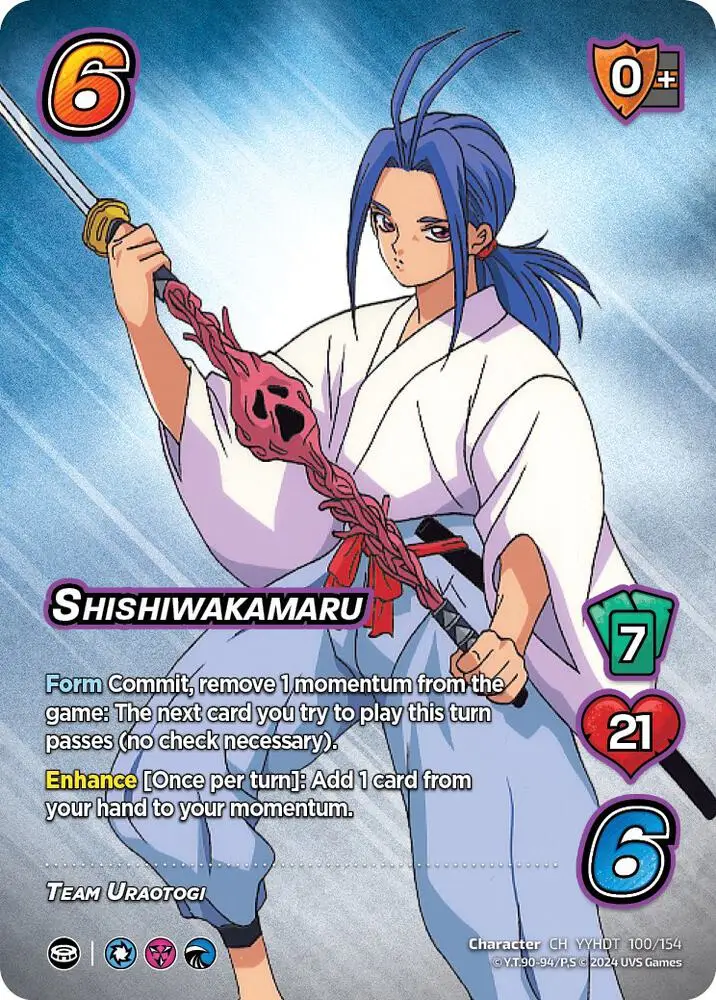
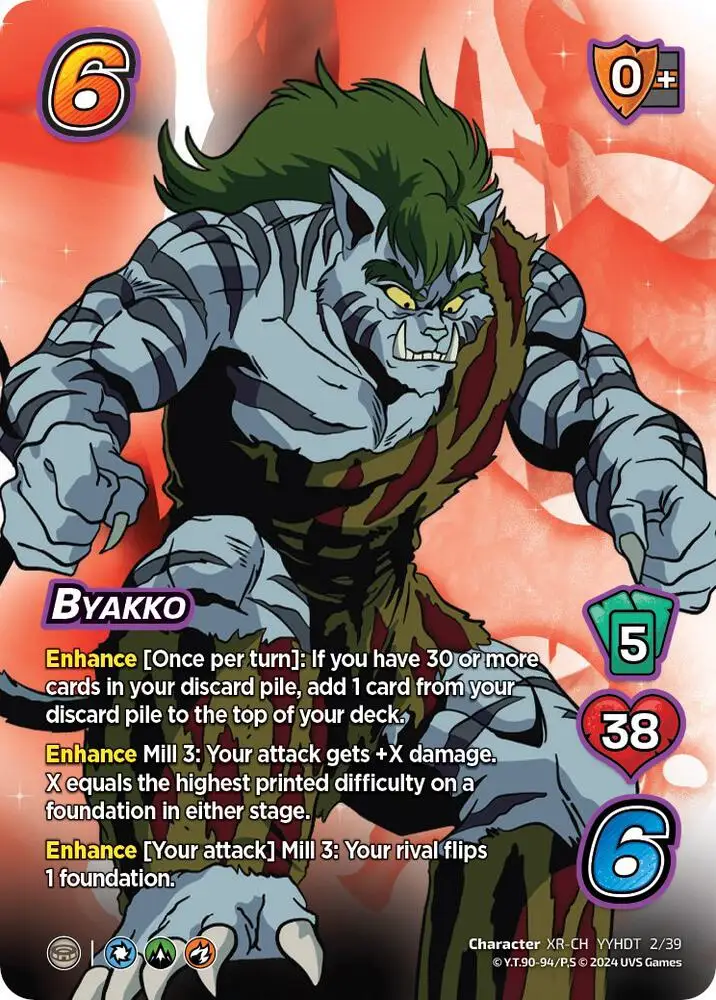
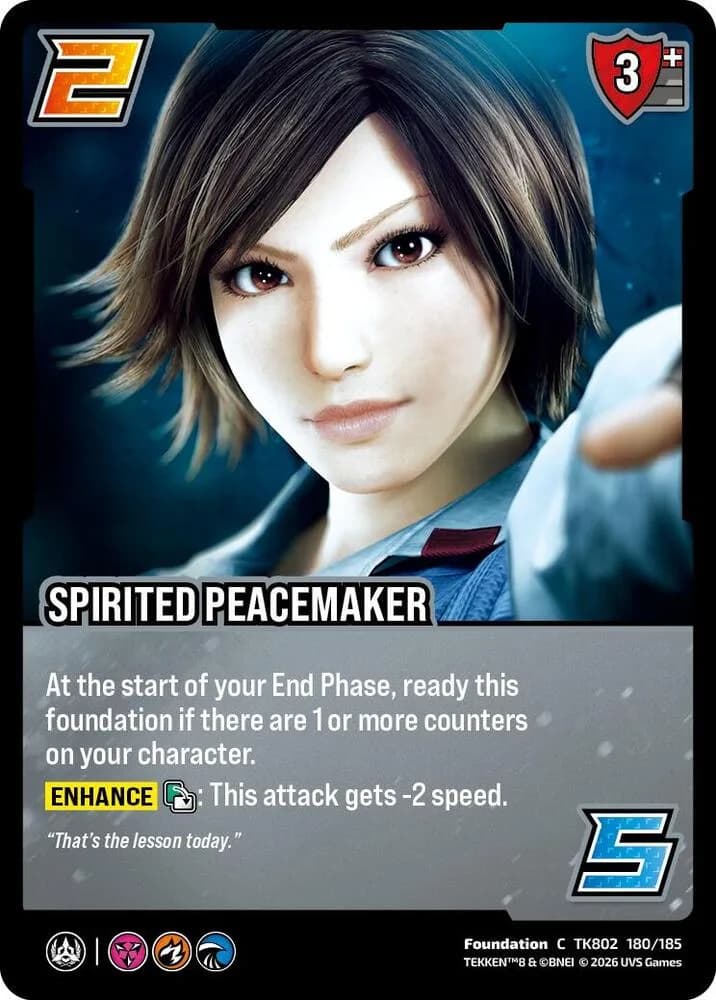
My Hero Academia is the anchor and by far the deepest, running across a long line of sets from the original release through League of Villains, Heroes Clash, Jet Burn and Final Battle, and for a while UVS pushed an MHA-only format because the roster had grown large enough to stand alone. Around it sits an unusually broad licence list. Fighting games are well represented with Tekken 8, Street Fighter 6, Mortal Kombat, SoulCalibur VI, King of Fighters XV and Guilty Gear Strive. Beyond them the line reaches into Godzilla, Teenage Mutant Ninja Turtles, Attack on Titan, Yu Yu Hakusho, Cowboy Bebop, Trigun Stampede, Critical Role, Star Trek Lower Decks and Solo Leveling. All of it is one game, which is the part that surprises people coming from a single-IP card game.
Because the sets interlock, UniVersus collections tend to take a shape the game itself does not dictate. Some people follow one licence wherever it appears. Some chase a single character across every set they show up in. Others work a set at a time toward a full run, then a master set once the base list is done. HoloHoard is built for all three: collections group cards however you actually think about them, and set completion tracks the base list and the printings separately so a master set is a real target rather than a guess.
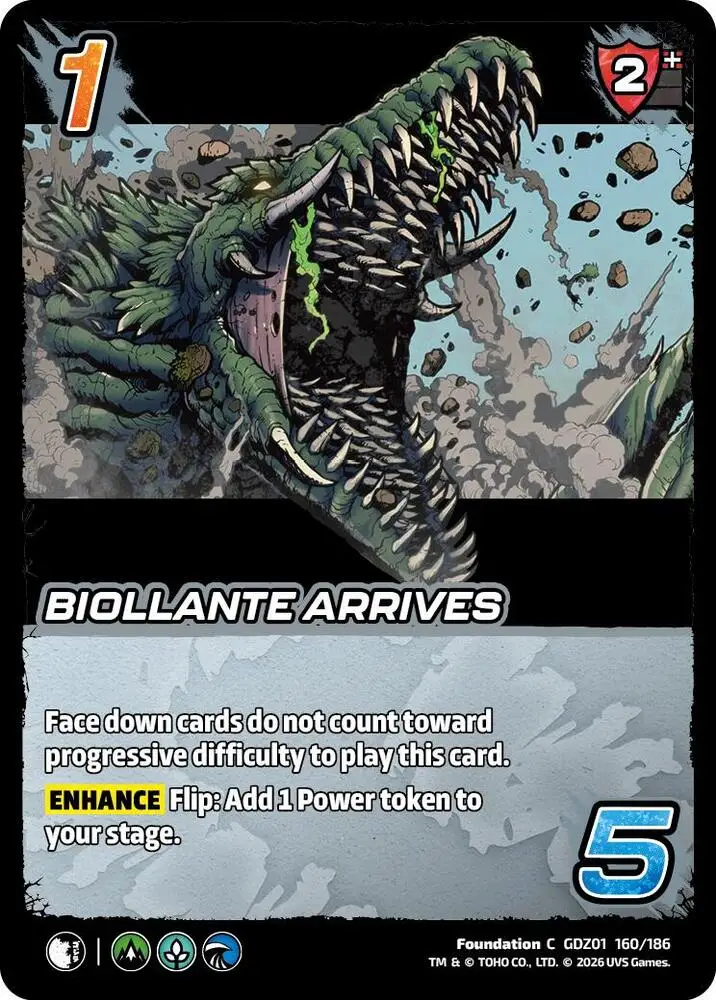
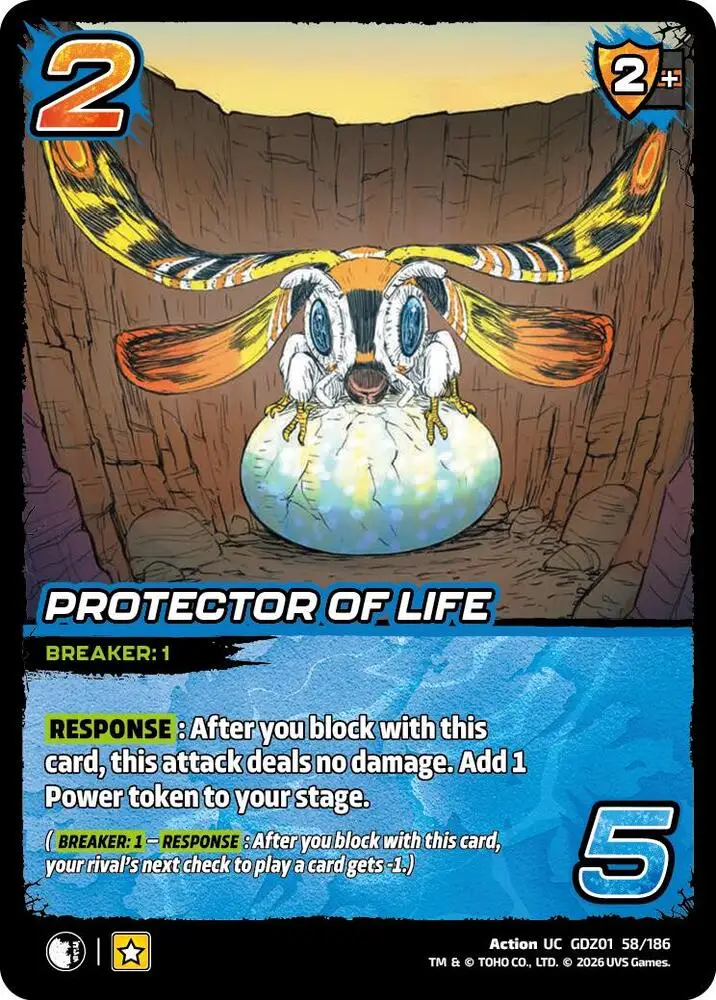
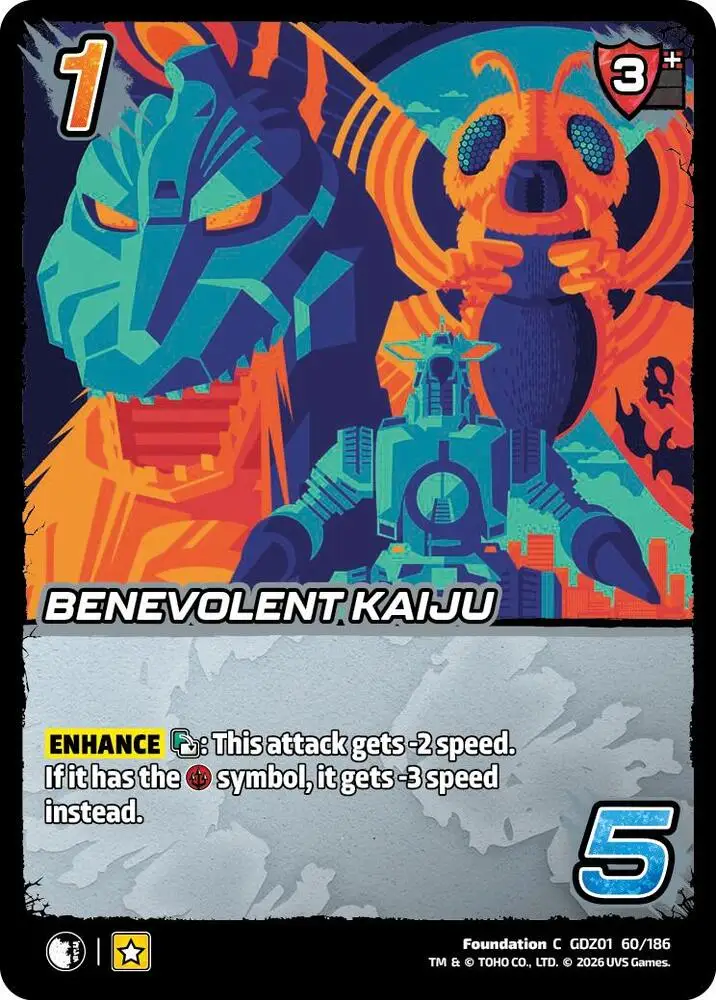
A licensed set pulls in people who do not otherwise play, and that is where some of the most sought-after cards sit. Reign of Kaiju is the clearest case: a Godzilla set inside a fighting card game, which means kaiju collectors and UVS players want the same cards. Sets like it are worth watching, because demand comes from two directions rather than one, and a Godzilla fan can cross-collect here without ever building a deck.
Cards come as Normal and Foil, and the sets that run editions add 1st Edition and Unlimited Edition printings on top, each with its own foil. Not every card carries all of them, so the honest answer to "how many are there" is per set rather than per game. HoloHoard catalogues each printing as its own entry, so marking a Foil leaves the 1st Edition still open on your list and your completion percentage counts what you actually hold.
| Printing | Where it applies |
|---|---|
| Normal | Every set |
| Foil | Every set |
| 1st Edition Normal | Sets with an edition run |
| 1st Edition Foil | Sets with an edition run |
| Unlimited Edition Normal | Sets with an edition run |
| Unlimited Edition Foil | Sets with an edition run |
UniVersus is played with a character card that sets your health and hand size, a sixty-card deck, and five card types to balance. Most collections here belong to someone who plays, which means what you own and what you want move constantly. Deck lists can hold cards you have not picked up yet, want lists cover the gaps, and trade lists cover the spares that come out of buying for a deck rather than for the set. All of it works across every set at once.
As the pile gets bigger the interesting questions stop being about single cards. The dashboard totals what you own, tracks value over time, breaks it down by set and shows which sets you are closest to finishing, so the next thing to buy is an obvious choice rather than a hunch. Cards with enough market activity behind them carry a daily value estimate; the rest show as not valued yet rather than a made-up figure. See UniVersus card values.
Start your collection, free
No account needed to browse. Create one to track and value your cards.