Guide
Pokémon Mezastar keeps growing: new versions land regularly, Pokémon reappear across them, and promo tags arrive outside the normal rotation. The catch for collectors is that the Pokémon on the tag is only half of it. The same Pokémon can come back in a later version with a different grade, a different Energy value and different stats, so two tags that look like duplicates are often nothing of the kind. This guide covers the versions released so far, how the grades and abilities work, and how to keep a growing pile of tags in order.
464 cards across 7 sets, catalogued and ready to track.
Mezastar releases in version drops, each adding a fresh set of tags. The international run worked through four Stardust versions and has since moved into Galaxy, with a separate pool of promo tags released outside the normal rotation. Galaxy Version 2 brought the series' biggest mechanical update yet: Gigantamax joined for the first time, alongside Double Move, Chain Tag, Dynamax and more. There is a lot more to come, and the Japanese release is the map: it has already run an Original series of four sets, then Super Tag across five, Double Chain across five and Gorgeous Star across five. International follows that path, so treat the current checklist as an early chapter rather than the whole book.
| Version | What it is |
|---|---|
| Stardust Version 1 | The first international drop |
| Stardust Version 2 | Expanded roster |
| Stardust Version 3 | Introduced paired tags |
| Stardust Version 4 | The last of the Stardust run |
| Galaxy Version 1 | Opened the Galaxy series |
| Galaxy Version 2 | The current series |
| Promo Tags | Released outside the normal rotation |
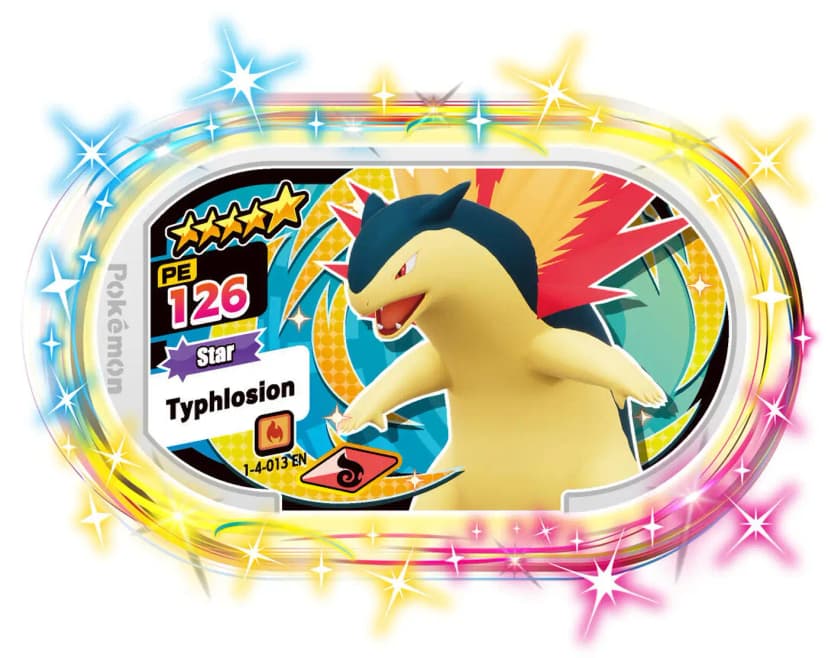
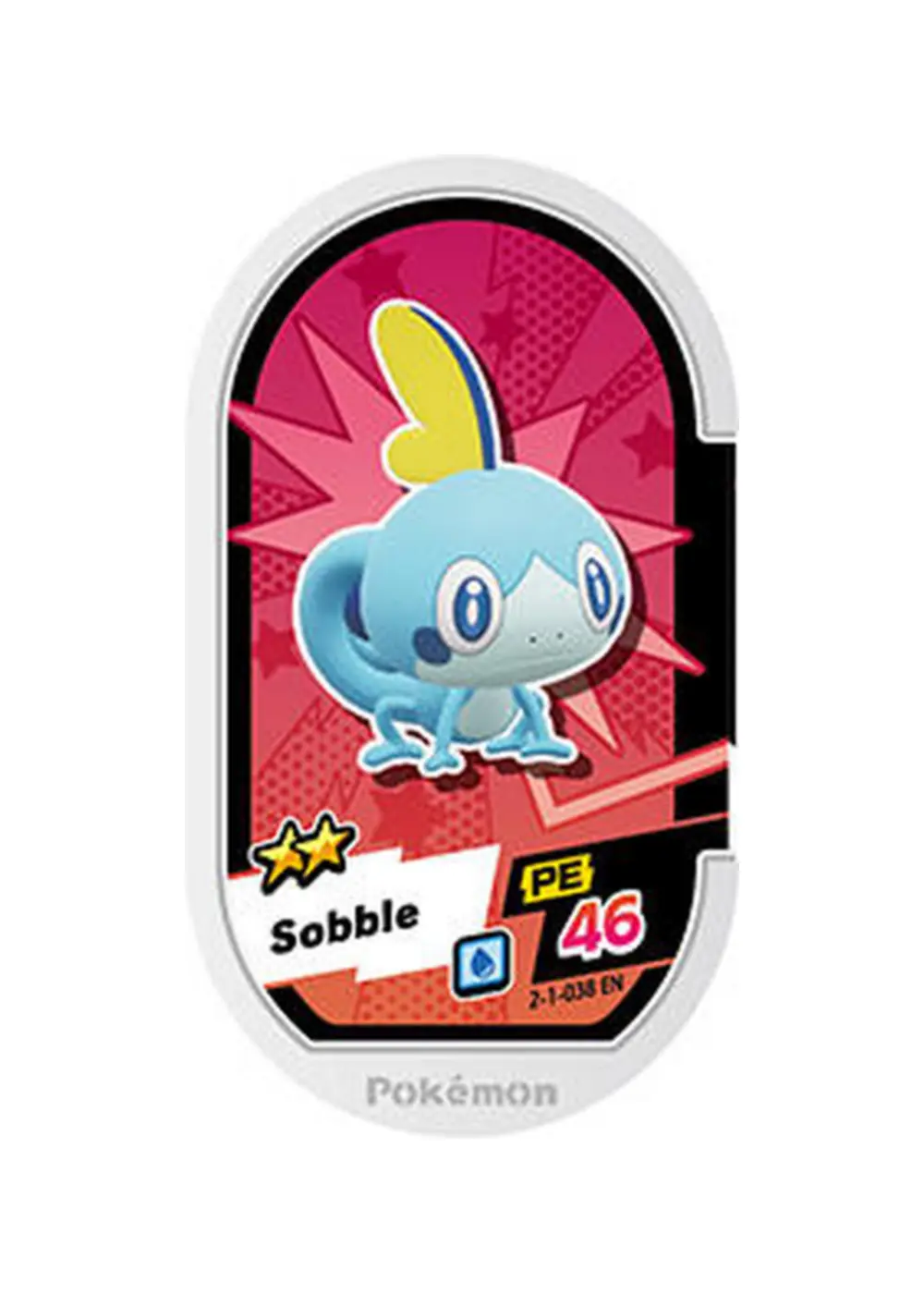
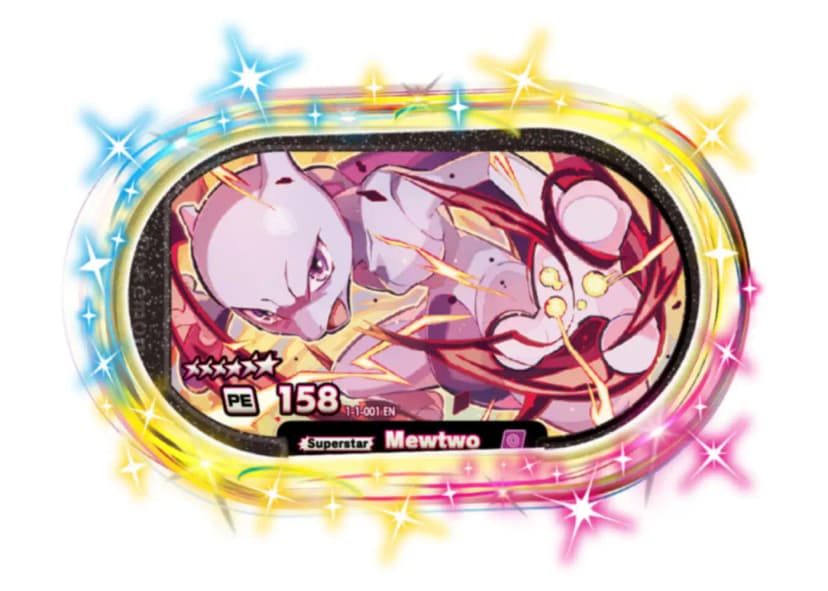
Every tag carries a grade, shown as a star rating, and it is the first thing to sort by. Grades 2 to 4 are the standard rarities with portrait artwork. Grade 5 tags are Star Pokémon: landscape artwork with a holofoil treatment, usually fully evolved, and often carrying a special ability. Grade 6 tags are Superstar Pokémon, holofoil landscape art on a black lamé tag with a rainbow scheme, and mostly Legendary and Mythical Pokémon. The catalogue records the grade on each tag, so you can see your collection broken down by tier.
| Grade | What it means |
|---|---|
 Grade 2 Grade 2 | Standard rarity, portrait art |
 Grade 3 Grade 3 | Standard rarity, portrait art |
 Grade 4 Grade 4 | Standard rarity, portrait art |
 Grade 5 Grade 5 | Star Pokémon: holofoil landscape art |
 Grade 6 Grade 6 | Superstar Pokémon: rainbow lamé, mostly Legendary and Mythical |
Some tags carry a special ability printed alongside the Pokémon, and these are the ones collectors tend to hunt individually rather than as part of a set. Each one triggers its own moment in a battle. Mega Evolution Chance asks you to hit the button as two symbols meet in the middle of the screen, and a Mega Pokémon then holds that form for as long as it can keep fighting. Z-Move Chance offers a one-per-session finisher that skips the usual roulettes entirely. Dynamax Chance runs a roulette of marks that decides how much the Pokémon grows, and it stays that way for three turns. Chain Tag puts two Pokémon on a single tag so they attack in sequence. They are catalogued as a searchable detail, so you can pull up every Gigantamax tag you own, or every one you are missing, without going through the binder tag by tag.
| Ability | Notes |
|---|---|
 Mega Evolution Mega Evolution | Mostly Grade 5 tags |
 Z-Move Z-Move | The most common ability in the pool |
 Dynamax Dynamax | Introduced with the later drops |
 Gigantamax Gigantamax | Sits alongside Dynamax |
 Chain Tag Chain Tag | Two Pokémon on one tag |
 Double Move Double Move | The rarest of the group |
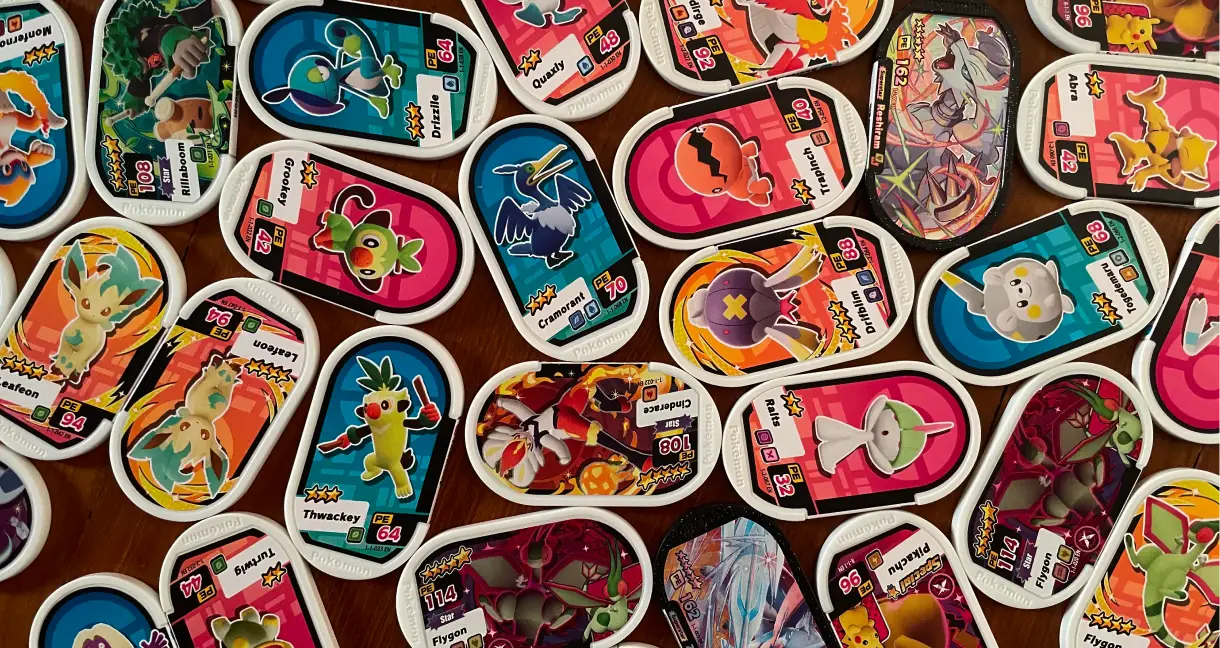
Each tag in the catalogue records its grade, its group, its type, its Energy value and any special ability. That means you can slice a collection the way you actually think about it: every Fire type, every Superstar, every Z-Move, everything still missing from Galaxy Version 2. It is the part a photo of a pile of tags cannot give you, and it is what makes a big collection stay usable.
Battles come down to numbers printed on the tag you brought. A Pokémon's Energy value is the quick read on overall strength, and underneath it the usual stats decide the outcome: Attack and Defense against physical moves, Special Attack and Special Defense against special ones, and Speed for who swings first. Type matchups are shown before you commit, so a tag with a middling Energy value can still be the right pick against the Pokémon in front of you. That is why collectors who play keep more than one version of the same Pokémon: the later printing is not always the better tag for the job.
The machine decides what you get, so duplicates are not an edge case here, they are the normal experience. That makes lists more useful than usual: keep a want list for the tags you are still chasing, put spares on a trade list, and share either as a link when you are swapping with other players. Your main collection stays clean while the extras stay tracked instead of getting lost in a tin. See the Stardust Version 4 checklist.
Every Stardust version, both Galaxy versions and the promo tags are catalogued with artwork and full stats, so you mark what you have and completion fills in per version. It is free to track, and because a Pokémon can appear across several versions, having them as separate entries is what stops a collection quietly double-counting itself. Browse the Galaxy Version 2 checklist.
Start your collection, free
No account needed to browse. Create one to track and value your cards.